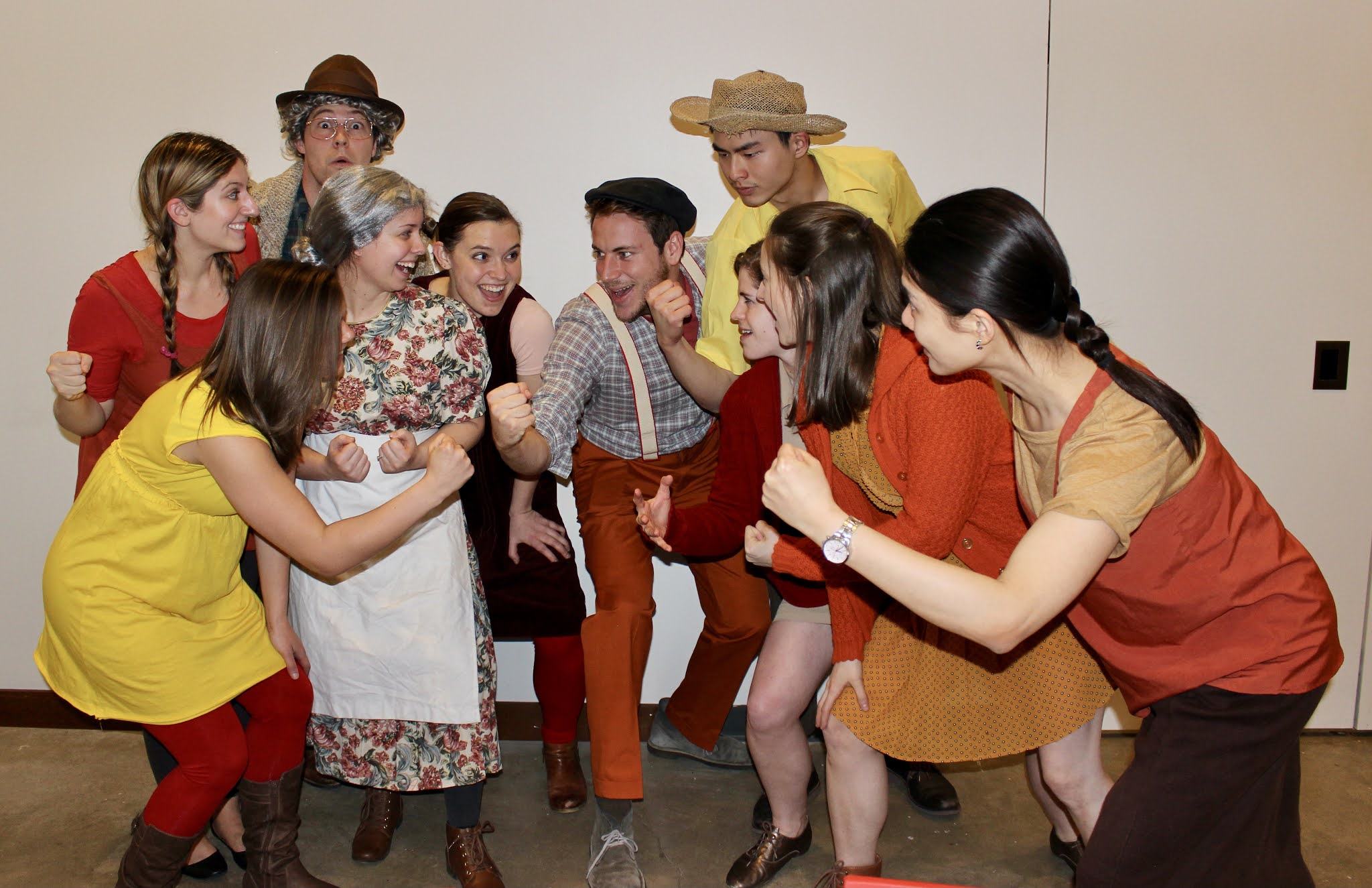
CCNY’s Educational Theater Program is the right path for NYCDOE Teachers (even if they don’t plan on teaching theater)
By Kelly Evans
Like so many others in this program, I love theater! Unlike most, I wasn’t a part of the theater department at my high school, and I didn’t study it )in college. I can count on one hand how many shows I saw from my childhood up until I was 18. I fell in love with theater because I loved stories, and it turns out theater is the best of all venues for storytelling.


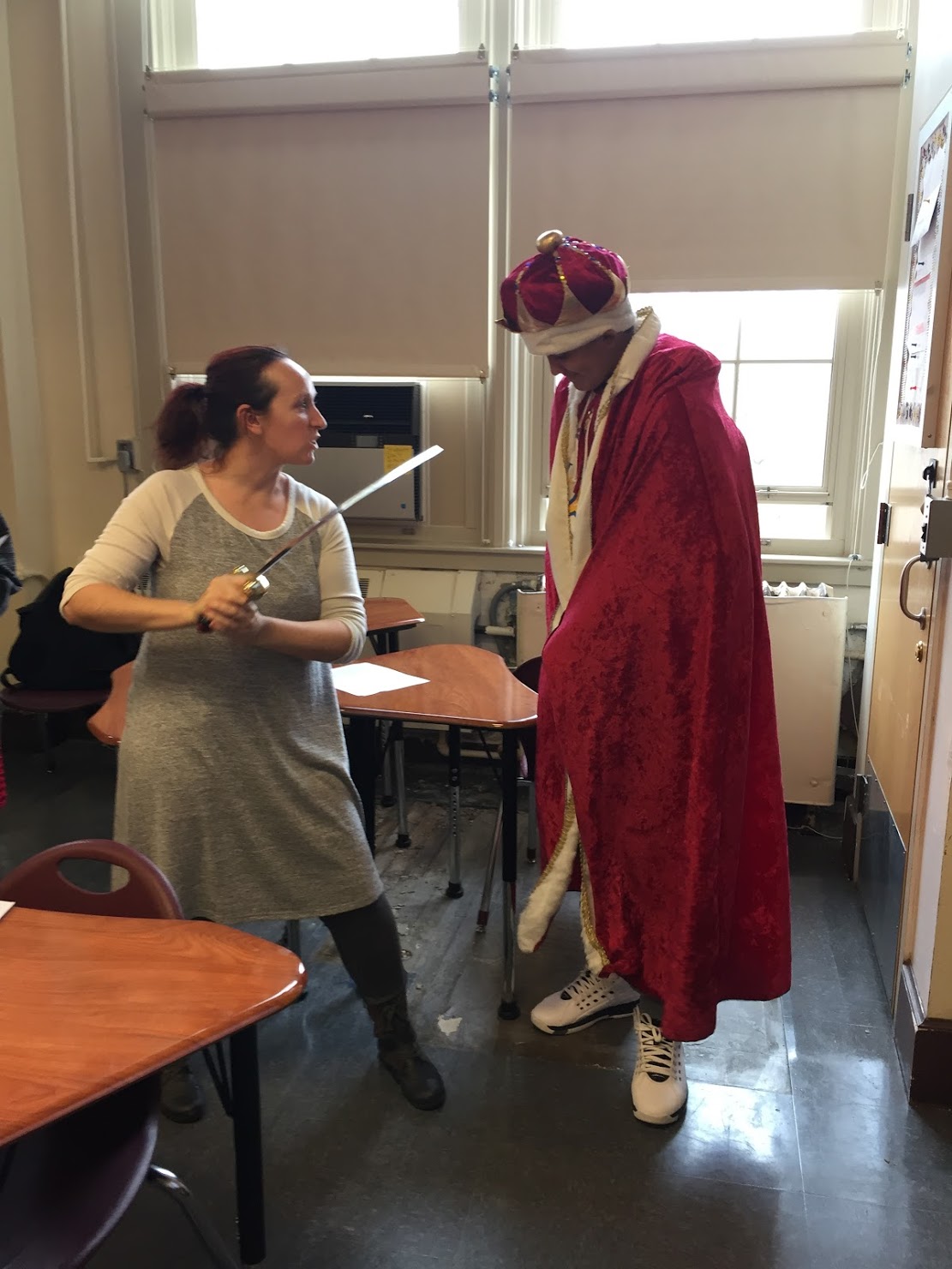
I loved incorporating monologues and dramas into my classes, but I didn’t really know how to teach it as a theater practitioner. I wanted to offer my students more by getting additional training. I started at the educational theater program as a non-matriculated student, I wanted to make sure it was the right program for me before committing to 2-3 years. I was 100% in by the second class. If my story has resonated with you, or if you’re a NYC DOE teacher that is considering joining CCNY’s Educational Theater Program, here are my 5 takeaways from this program to convince you that getting a Masters is the right path for you (even if you don’t plan on teaching theater).
#5 The Education: When you are receiving your teacher training, you go through DASA training, you learn about IDEA and servicing students with disabilities, and training in trauma informed pedagogy. In many teachers programs, they are items on a checklist that you must complete. In the Ed Theater program, there are opportunities for creating theater that connect disparate actors across conflicts, building empathy, empowering students, creating a sense of belonging. We created through them, acted through them, and found ways of changing the narrative. I realized how little my program, and others across the US, do to provide tools for teachers to work through trauma, bullying, harassment, and following inclusive practices for people with disabilities.

#4- The People: Working in the NYC DOE, I understand how you can get a little jaded, most teachers that I interact with are. Enter the ensemble at CCNY Ed Theater. From the faculty to the students, these are the most welcoming, encouraging, passionate, compassionate people. By the end of your first class, you will feel a part of the ensemble. And from what I can tell, you never really leave the ensemble, even after you graduate. My classes this semester are filled with returning CCNY graduate speakers who established their own theaters or became teachers, among other things. Something that is often referenced is that everyone has their own unique path that they travel when they choose Educational theater, there is no roadmap, and so the program is is centered on sharing our stories, and forging our own path.
#3- The Tools: You’ll be given tools that you can immediately turn key in your classes (and they’re flawless!). I was lucky enough to be teaching an advising class while I was taking Conflict Resolution through Theater. The program had come with a few suggestions, but the bulk of any curriculum needed to be created by the teacher. I already knew at the beginning of the class that I wanted to create a brave space where students could discuss difficult problems there were encountering. We were having amazing discussions, but I wasn’t sure how much anyone’s mindset was changing on topics including race, LGBTQ+, and others the students had identified. That semester, it felt like each Conflict Resolution class had been specifically designed to help me push my teaching practice. By the end of the semester I had incorporated every single activity taught in the Conflict Resolution, and through student reflections it was these theater activities that were continually referenced as being the most transformative.
#2- The Activism: While you will learn about the history of different practitioners or theories, the theater that is devised throughout your time at CCNY is very of the moment in society. This year has been a year unlike any other, with the spread of COVID, the closing of schools and pretty much everything else that was considered normal, and also to the inumbered injustices that propelled the Black Lives Matter protests over this past summer. At CCNY we talk about our trauma and the trauma our students are facing, we design practice focused on mindfulness, we create curriculums with activism at the heart. Something I will never forget was an artistic share in a curriculum class that ended with singing puppets that brought everyone to tears; theater heals.
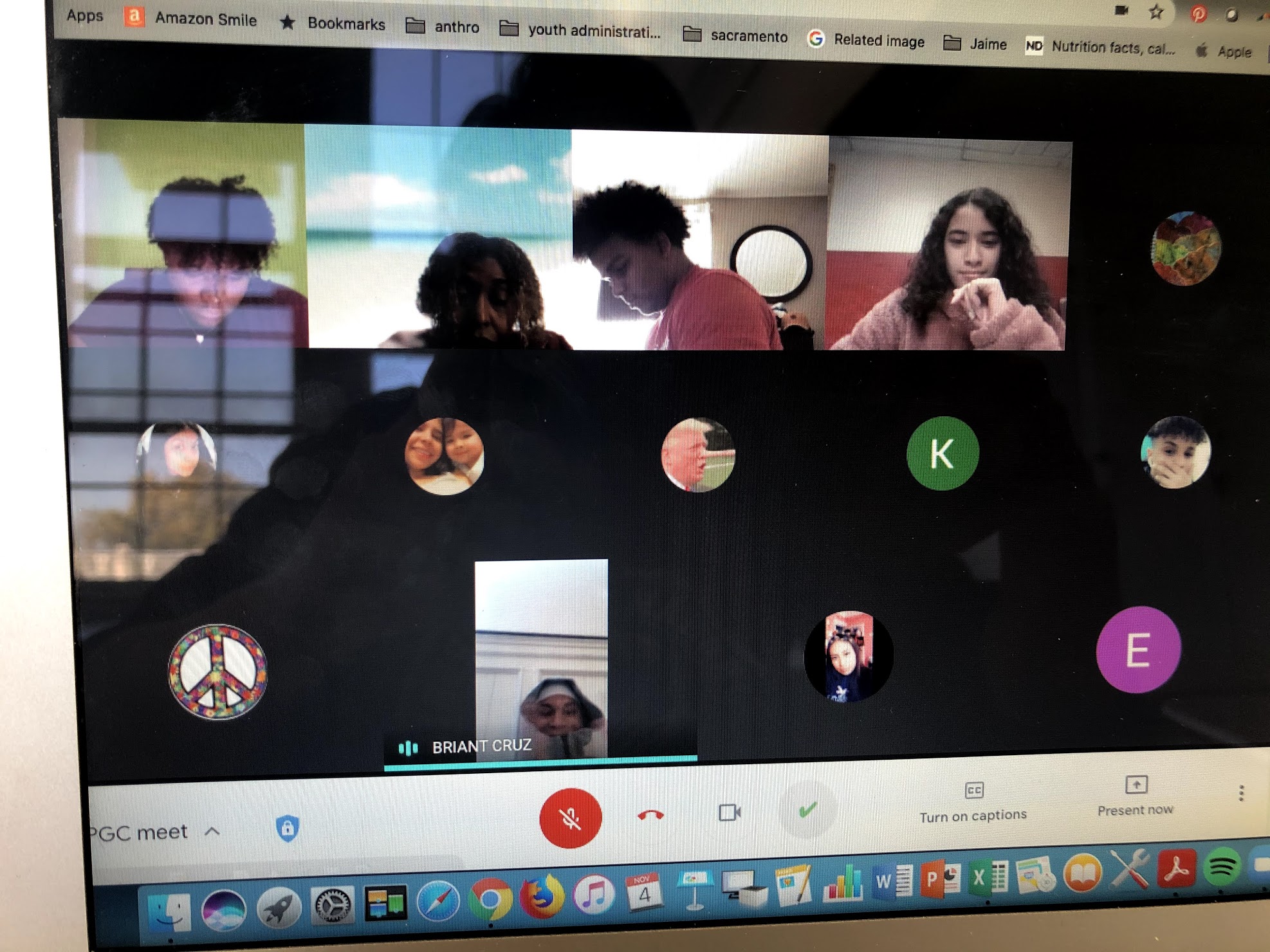
#1- The Artistry: Maybe you don’t feel like an artist right now, but you have it in you. It wasn’t until my second semester that I started to understand my own artistry. At the end of the first semester, I wrote my intentions, “I want to give my students ideas that they can focus all of their energies into. That’s within their realm of being, but also that introduces new spaces for them to occupy.” Within this community, I had reshaped, redefined who I was as an educator, and what I wanted to offer my students through theater, and by articulating my identity more fully I was able to authentically build relationships with my students that were beyond what was possible through my identity as teacher alone.